

Janmashtami, the divine appearance day of Lord Krishna, is a time of great joy and spiritual upliftment for millions of devotees around the world. While many people prefer to visit temples on this day, celebrating Janmashtami at home can be equally powerful and heartwarming. Creating a sacred space in your own home for Lord Krishna not only brings blessings but also strengthens your spiritual practice. Whether you’re a seasoned devotee or just beginning your devotional journey, this simple guide will help you celebrate Janmashtami at home with sincerity and joy.
1. Setting Up the Home Altar
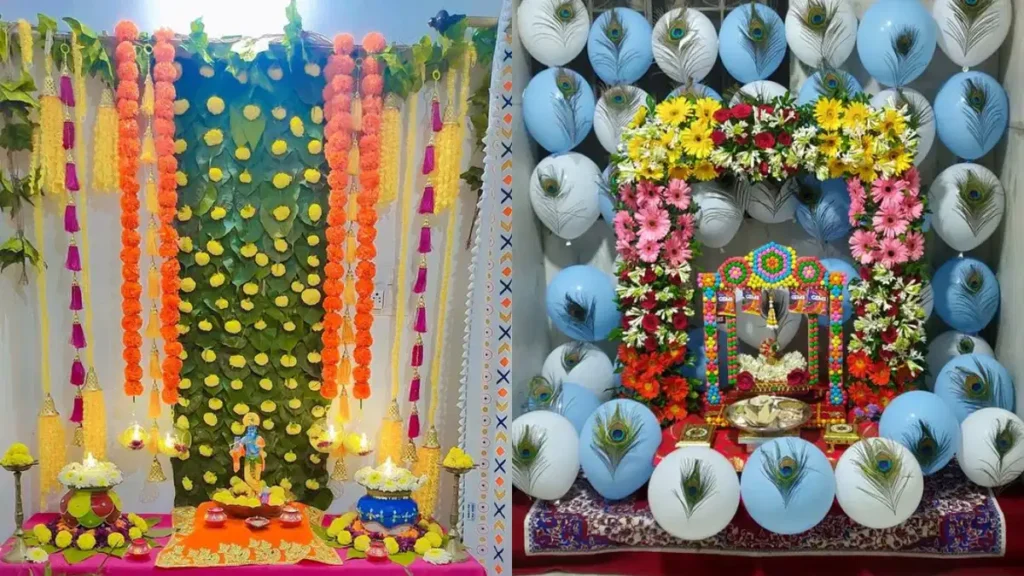
The first and most important step in preparing for Janmashtami at home is to create or refresh your altar for Lord Krishna. This sacred space should be clean, peaceful, and inspiring. If you already have a home temple or mandir, clean it thoroughly a day before Janmashtami. Place a beautiful picture or deity of baby Krishna (Balgopal) or Radha-Krishna on the altar. Decorate the altar with flowers, fresh cloth, garlands, and small lights. Many devotees also place a swing (jhula) for baby Krishna, symbolizing His birth and childhood playfulness.
Keep incense, ghee lamps, a conch, and a bell ready for the celebration. You can also add fresh leaves, mango twigs, and tulsi leaves to enhance the purity and vibrancy of the space. Let the altar become the heart of your home for the day, radiating devotion and divine energy.
2. Fasting and Bhoga Offering
Fasting on Janmashtami is a traditional way to express devotion and purify the body and mind. Some devotees fast without water (nirjala), while others take fruits, milk, or simple sattvic meals. Choose a fasting style that suits your health and comfort level, but try to spend the day in spiritual activities rather than regular routines.
As the clock approaches midnight — the divine hour of Lord Krishna’s birth — prepare a special offering of bhoga (sanctified food). This can include sweets like kheer, laddus, butter (Makhan), fruits, and milk preparations. Avoid using onion, garlic, or non-vegetarian ingredients. Prepare everything with love and a prayerful attitude.
Place the food items before Lord Krishna on your altar, light a lamp, and offer them with a heartfelt prayer or by chanting mantras like:
“Om Namo Bhagavate Vasudevaya”
“Krishna Govinda Govinda Gopala Nanda Gopala”
After offering, the food becomes prasadam — sanctified and blessed by the Lord — which can be distributed to family and guests.
3. Kirtan and Chanting the Holy Name
One of the most joyful and spiritually potent ways to celebrate Janmashtami is through kirtan — singing the holy names and glories of Lord Krishna. You can gather your family together for a home kirtan session. Use instruments like kartals, a mridanga, or even a simple tabla or harmonium, if available. If you don’t play instruments, you can sing along with recorded kirtans or bhajans available online.
Chanting the Hare Krishna Mahamantra is especially recommended on Janmashtami:
“Hare Krishna, Hare Krishna, Krishna Krishna, Hare Hare
Hare Rama, Hare Rama, Rama Rama, Hare Hare”
This mantra is considered non-different from Krishna Himself. Simply chanting it with love and attention can create a divine atmosphere in your home, filling it with spiritual energy.
Encourage children and elders to participate. You can also share Krishna’s pastimes, read from the Bhagavad Gita or Srimad Bhagavatam, or perform a small drama or storytelling session to involve everyone.
4. Midnight Abhishek and Celebration
At midnight — the exact time when Lord Krishna appeared in Mathura — perform a simple abhishek (bathing ceremony) for the deity or picture of Krishna. Use items like milk, yogurt, ghee, honey, and rose water. Chant Krishna’s names during the abhishek and afterward dry and dress the deity or picture beautifully.
You can then sing nandalala bhajans, offer arati, distribute prasadam, and celebrate with joy. This moment is the highlight of Janmashtami and should be filled with heartfelt devotion.
