

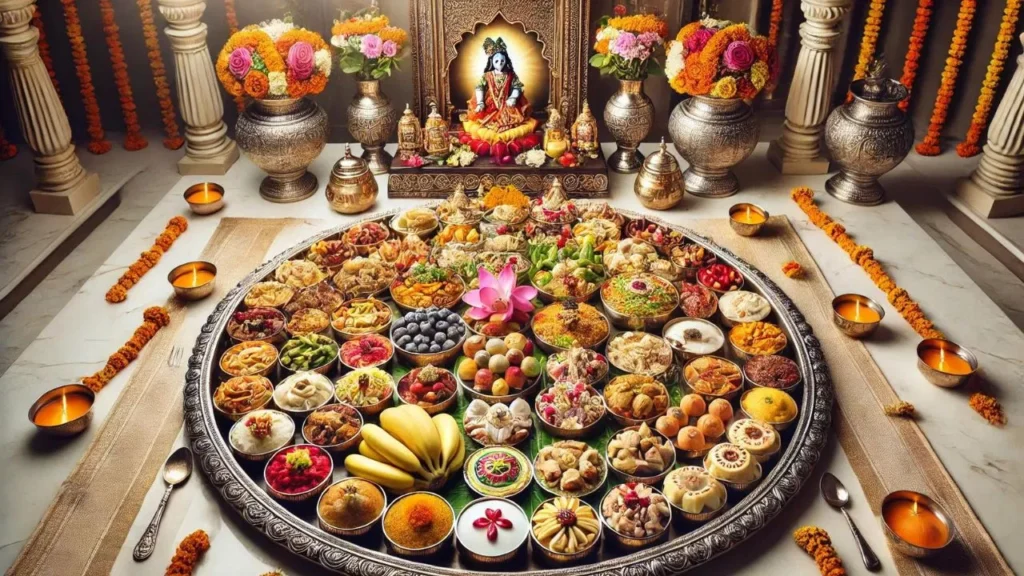
Janmashtami — the divine appearance day of Lord Sri Krishna — is a festival of love, devotion, and spiritual reflection. Across the world, devotees celebrate this sacred day with joyful kirtans, temple decorations, and elaborate midnight ceremonies. But one of the most personal and powerful offerings made on this day is fasting.
Why do devotees choose to fast on Janmashtami? Is it just a tradition passed down through generations? Or does it hold a deeper spiritual meaning?
In this blog, let’s explore the scriptural foundation, the types of fasting, and the spiritual benefits that make Janmashtami fasting such a cherished practice.
📖 Scriptural References
The act of fasting on Janmashtami is deeply rooted in Vedic scriptures and Vaishnava tradition. It is not simply a ritual of abstaining from food, but an offering of love and devotion.
In the Bhagavad Gita (9.26), Lord Krishna says:
“If one offers Me with love and devotion a leaf, a flower, fruit, or water, I will accept it.”
This simple verse reminds us that Krishna values the intention behind the offering, not the item itself. Fasting becomes a sacred gesture — a way for devotees to say, “Today, I offer You my body, my mind, and my time.”
The Hari Bhakti Vilasa, a revered scripture for Vaishnavas, states that observing a fast on Janmashtami removes sins, purifies the consciousness, and brings one closer to Krishna’s divine grace. Saints and sages have observed this vrata (vow) for centuries as a way to purify the heart and deepen their spiritual connection.
🌿 Types of Fasting
Fasting doesn’t have to be extreme to be meaningful. Depending on one’s health and circumstances, devotees observe different forms of fasting:
- Nirjala Fast (without water):
The most austere form — no food or water until midnight. Practiced by those in strong health and determination. - Phalahar (fruit and milk only):
The most common form, where devotees consume fruits, milk, dry fruits, or light satvik foods. - Ekadashi-style fasting (no grains or pulses):
Foods like sabudana, potatoes, dairy, and nuts are consumed. It maintains energy while honoring the spirit of the fast. - Partial Fast:
A lighter fast for children, the elderly, or those with health conditions. Even one simple meal with no grains can be offered with devotion.
Most devotees break their fast at midnight, the exact time of Lord Krishna’s birth, after performing abhishek (ceremonial bathing), aarti, and offering prasadam.
✨ Spiritual Benefits
While the physical body may experience hunger, the soul becomes nourished through sincere fasting.
- Purifies the Mind and Heart:
Fasting helps quiet the senses, reduce distractions, and bring the mind into a focused state — ideal for chanting and meditation. - Strengthens Devotion:
With fewer material needs during the day, the devotee has more time and energy to engage in reading scriptures, singing bhajans, and serving the deity. - Draws Krishna’s Mercy:
When done with love, fasting is a pleasing sacrifice to the Lord. It shows surrender, dedication, and longing to be close to Him. - Burns Past Karma:
Scriptural texts describe that Janmashtami fasting, done properly, washes away sins and helps the soul advance on the spiritual path. - Builds Self-Discipline and Detachment:
Resisting food and bodily urges reminds us that we are not this body — we are spirit souls, eternally
